
Are Fruit Snacks Really Fruit? WIC
Gummy fruit snacks are a parent’s dream: convenient, easy-to-carry, affordable, tasty and nutritious. The label claims a package is equal to a serving of fruit and even provides 100% of vitamin C, so it must be healthy, right? Think again, parents! Many fruit snacks are just sugary treats pretending to be a healthy snack!
Don’t confuse a fruit snack for an actual wholesome fruit; it doesn’t replace fruit in your child’s diet. The problem with many fruit snacks is that they have a lot of added sugar, contain artificial food color and are missing key vitamins and minerals. Unlike fruit snacks and roll ups, actual fruit provides fiber, vitamin A, C and other antioxidants that can’t be put in a package. While some fruit snacks may provide added vitamin C, they don’t have important minerals like calcium, potassium and magnesium, usually found in fresh fruit. For example, one medium orange provides about 62 calories, 15g of carbohydrates (from natural sugar), 3g of fiber, 70mg vitamin C, 237mg potassium and 52mg calcium.
A package of fruit gummies provides 80 calories, 19g of carbohydrate (mostly from added sugars), 66mg vitamin C, but no fiber, calcium or potassium.
Fruit snacks can claim “made from real fruit” because they do have fruit ingredients like juice concentrate and fruit puree — but they also contain added sugar from corn syrup and other sweeteners. However, whether it’s sugar from cane syrup, corn syrup or brown sugar, it’s still sugar. Research shows that eating too much added sugar increases the risk of obesity, type 2 diabetes and other diseases. Also, the extra sugar can make your child more likely to get cavities.
It’s important to read the label when buying a fruit snack. Common ingredients listed in popular fruit snacks include:
Juice from concentrate, corn syrup, sugar, maltodextrin, modified corn starch, gelatin, fruit puree, citric acid, lactic acid, ascorbic acid (vitamin C), aspartame, natural flavors, coconut oil, carnauba wax, vitamin A palmitate, alpha tocopherol, red 40, yellow 5 & blue 1.
Some studies suggest that artificial food colors could cause hyperactivity and increase cancer risk; however, more research is needed. The FDA has approved 9 food dyes; some countries in Europe now require a warning label on foods containing certain food dyes due to the possible behavior effects in children. The fact is, we still don’t know all the health effects of artificial food colors, so it’s best to help your kids stay away from them.
What to choose instead?
Even if your kid is not a big fan of fresh fruit, it’s never too late to start introducing other forms of fruit. Try offering frozen, canned or dried fruit or try fresh fruit in a smoothie. Don’t be surprised if your kid does not like a new fruit the first time; continue introducing it in different ways. Children might need to try a new food 10 times before they learn to like it.
If you want a better fruit snack that is still convenient, tasty and nutritious try the tips below:
- Apple chips or dehydrated fruit snacks – Just like the real version of fruit, but they have taken the moisture out of the fruit, making the end product crunchy and great to carry. High in fiber and vitamins. Avoid fruit chips that are fried.
- Frozen Blueberries or Grapes* – Perfect for a warm day. Freezing fruit gives it a different texture and feels like eating a dessert. It contains the same nutrition as fresh fruit, but is more fun to eat!
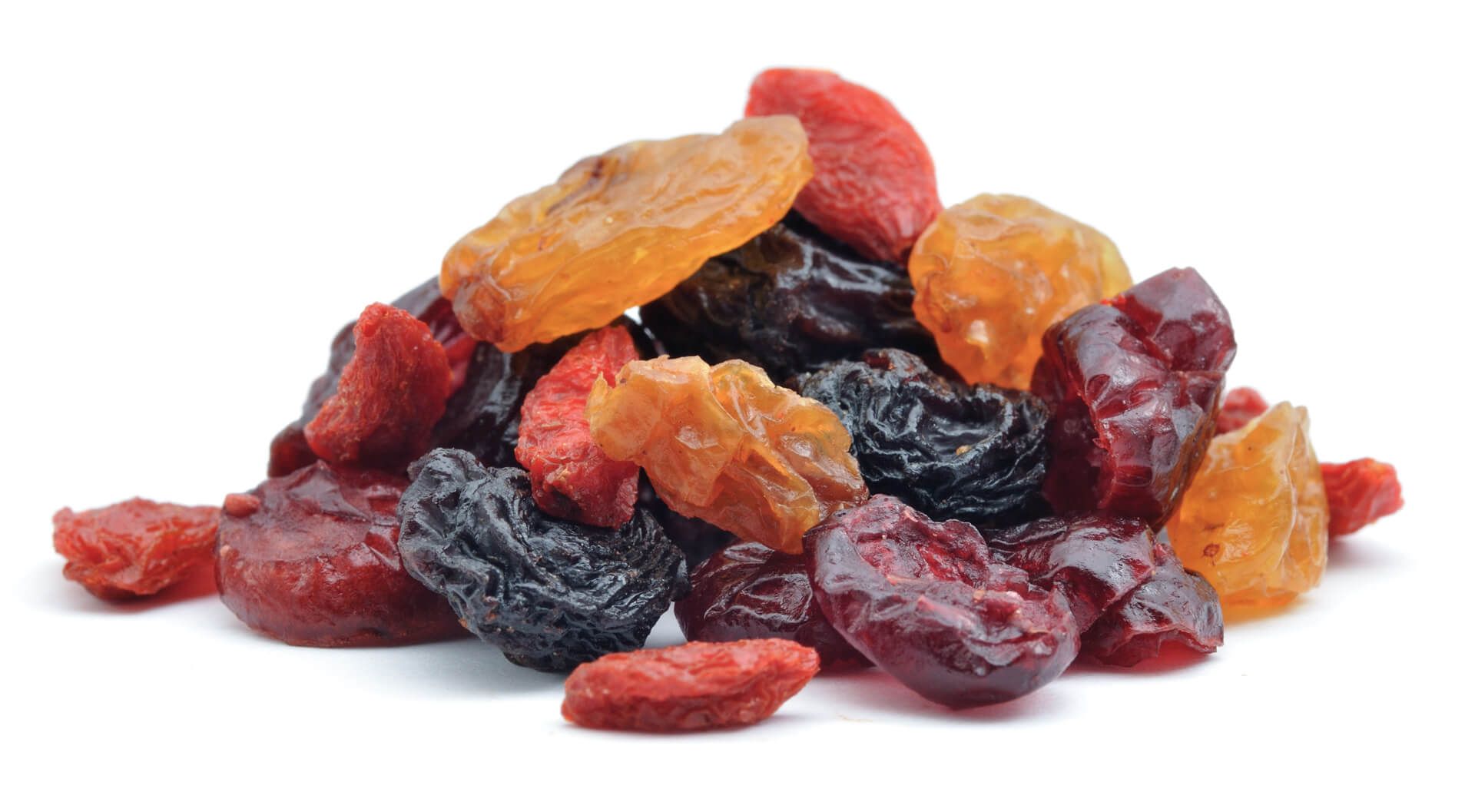
- Dried Fruit* – (apricots, raisins, cranberries, blueberries) - Great on-the-go snack and even better if you mix them with nuts*. Provides a mix of nutrients like potassium, vitamin A, fiber and magnesium.
*Dried fruit and nuts can be a choking hazard for children.
- Homemade sour fruit snacks – Try making your own version of fruit snacks. Homemade fruit snacks will usually have 3-4 ingredients: fruit, honey, lemon juice and gelatin - no artificial flavors. Check out these websites for great fruit snack ideas: www.simplebites.net, www.kidseatright.org or www.simplyrecipes.com
- Fruit Kebabs/Fruit cut into fun shapes – Just like the real version of fruit, but they have taken the moisture out of the fruit, making the end product crunchy and great to carry. High in fiber and vitamins. Avoid fruit chips that are fried.Children are visual eaters. Make fruit appealing by cutting it into fun shapes or making a fruit kabob to spark their interest.
Packaged fruit snacks should be considered more like desserts, not a substitute for real fruit. If you do decide to give your child a fruit snack, then give it just once in a while as a treat and choose ones with natural coloring.
These are better choices of fruit snacks, which do not contain artificial colors or flavors:
- Clif® Kid Z Fruit Rope and Clif® Kid Z Fruit + Veggie Rope
- Mott’s® Medleys Fruit Flavored Snacks
- Annie’s® Organic Fruit Snacks
- That’s It® Fruit Bars
