Healthline. 7 Potential Benefits of Chia Seed Water. (2024, December 23).
https://www.healthline.com/nutrition/chia-seeds-in-water-benefits#alternative-uses
Khalid W, Arshad MS, Aziz A, Rahim MA, Qaisrani TB, Afzal F, Ali A, Ranjha MMAN, Khalid MZ, Anjum FM. Chia seeds (Salvia hispanica L.): A therapeutic weapon in metabolic disorders. Food Sci Nutr. 2022 Dec 15;11(1):3-16.
https://pmc.ncbi.nlm.nih.gov/articles/PMC9834868/
Knez Hrnčič M, Ivanovski M, Cör D, Knez Ž. Chia Seeds (Salvia hispanica L.): An Overview-Phytochemical Profile, Isolation Methods, and Application. Molecules. 2019 Dec 18;25(1):11.
https://pmc.ncbi.nlm.nih.gov/articles/PMC6994964/
Song J, Zhou B, Kan J, Liu G, Zhang S, Si L, Zhang X, Yang X, Ma J, Cheng J, Liu X and Yang Y (2022) Gut microbiota: Linking nutrition and perinatal depression.
Front. Cell. Infect. Microbiol. 12:932309.
https://pmc.ncbi.nlm.nih.gov/articles/pmid/36093196/
Taghipour Sheshdeh F, Behzadi M, Bashiri S, Mohammadi-Sartang M. The Effect of Chia Seed on Blood Pressure, Body Composition, and Glycemic Control: A GRADE-Assessed Systematic Review and Dose-Response Meta-Analysis of Randomized Controlled Trials. Nutr Rev. 2025 Mar 1;83(3):448-465. doi: 10.1093/nutrit/nuae113. PMID: 39225983.
https://pubmed.ncbi.nlm.nih.gov/39225983/#:~:text=Results:%20A%20total%20of%208,.permissions@oup.com
The International Scientific Association for Probiotics and Prebiotics (ISAPP) Consensus Statement on the Definition and Scope of Prebiotics. Nature Reviews: Gastroenterology & Hepatology (2017). DOI: 10.1038/nrgastro.2017.75. Expert consensus document.
https://digitalcommons.unl.edu/cgi/viewcontent.cgi?article=1235&context=foodsciefacpub
Vuksan V, Choleva L, Jovanovski E, Jenkins AL, Au-Yeung F, Dias AG, Ho HV, Zurbau A, Duvnjak L. Comparison of flax (Linum usitatissimum) and Salba-chia (Salvia hispanica L.) seeds on postprandial glycemia and satiety in healthy individuals: a randomized, controlled, crossover study. Eur J Clin Nutr. 2017 Feb;71(2):234-238. doi: 10.1038/ejcn.2016.148. Epub 2016 Dec 21. PMID: 28000689.
https://pubmed.ncbi.nlm.nih.gov/28000689/
Vuksan V, Jenkins AL, Brissette C, Choleva L, Jovanovski E, Gibbs AL, Bazinet RP, Au-Yeung F, Zurbau A, Ho HV, Duvnjak L, Sievenpiper JL, Josse RG, Hanna A. Salba-chia (Salvia hispanica L.) in the treatment of overweight and obese patients with type 2 diabetes: A double-blind randomized controlled trial. Nutr Metab Cardiovasc Dis. 2017 Feb;27(2):138-146. doi: 10.1016/j.numecd.2016.11.124. Epub 2016 Dec 9. PMID: 28089080.
https://pubmed.ncbi.nlm.nih.gov/28089080/
WebMD. Health benefits of chia seeds. (2024, May 24).
https://www.webmd.com/diet/health-benefits-chia-seeds
 Is the Chia Seed Challenge Worth It?

 A Few Words of Caution

 The Health
Benefits of Chia Seeds
The Health
Benefits of Chia Seeds 
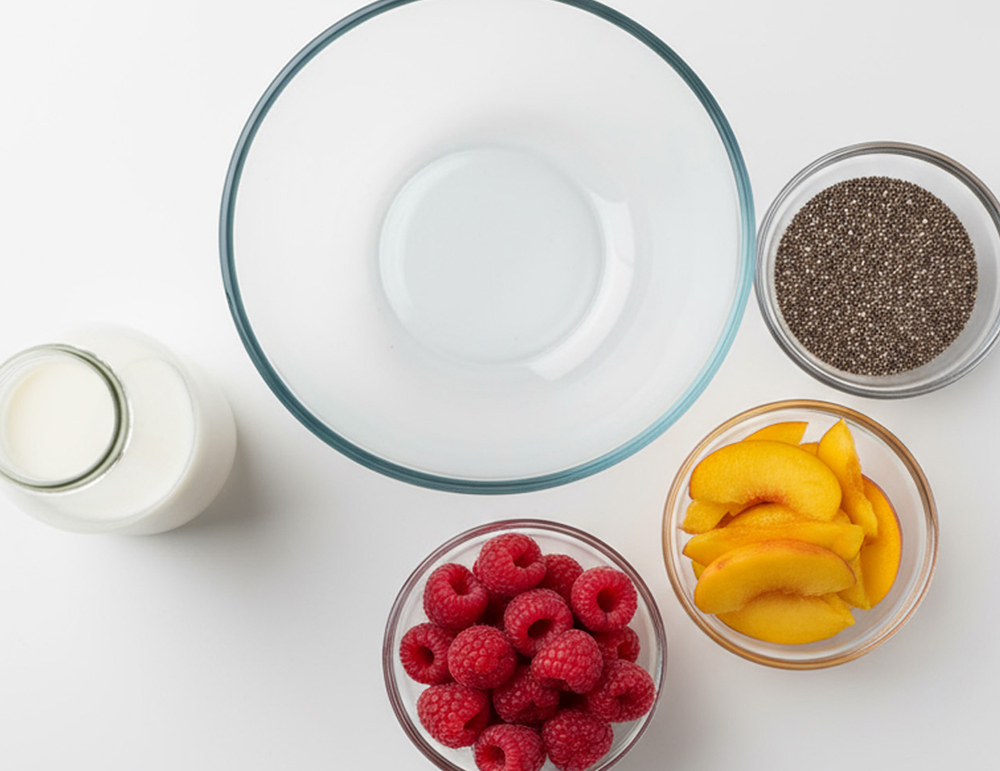
 Easy Ways to Eat Chia Seeds